Complete Guide: Cleaning Hacks for Upholstered Furniture

Upholstered furniture adds warmth, comfort, and style to any living space. Whether it’s a plush velvet armchair, a family-sized sectional sofa, or a vintage linen loveseat, upholstery plays a central role in both design and daily living. However, this very prominence also means that these pieces are more susceptible to wear, stains, and dirt. Spills, pet hair, dust, and regular use can quickly turn a once-pristine piece into a tired-looking eyesore.

Cleaning upholstered furniture might seem intimidating, but with the right techniques and some handy hacks, you can maintain and even rejuvenate your furniture without breaking the bank—or your back. This comprehensive guide walks you through the best cleaning hacks, from daily care to deep cleaning solutions.


Why Upholstery Cleaning Matters

Before diving into the hacks, it’s important to understand why cleaning upholstered furniture regularly is essential:

  • Hygiene: Upholstery can trap dust, bacteria, allergens, and pet dander.
  • Longevity: Regular maintenance extends the lifespan of furniture.
  • Aesthetics: Clean upholstery looks fresh and inviting.
  • Air Quality: Reducing dust and allergens improves the air quality in your home.

Know Your Fabric First

Every piece of upholstered furniture comes with a care tag—usually located beneath the cushions or under the furniture. This tag includes a cleaning code that indicates how it should be cleaned:

  • W – Use a water-based cleaner.
  • S – Use a solvent-based cleaner (dry cleaning only).
  • WS – Water or solvent-based cleaners are safe.
  • X – Vacuum only, no water or solvent.

Always check this tag before applying any product or cleaning solution.


Daily and Weekly Maintenance Hacks

1. Vacuum Regularly with the Right Tools

Use a vacuum with an upholstery attachment to remove crumbs, pet hair, and dust. For better results:

  • Use a soft-bristle brush for delicate fabrics.
  • Use a lint roller afterward for hard-to-remove hair.
  • Run a vacuum at least once a week, more if you have pets.

2. Use Baking Soda to Deodorize

Baking soda is a natural deodorizer that absorbs smells and moisture:

  • Sprinkle a generous amount over the surface.
  • Let it sit for 15–20 minutes.
  • Vacuum it off thoroughly.

Add a few drops of essential oil to the baking soda beforehand for a pleasant scent.

3. Keep Sunlight in Check

Prolonged exposure to direct sunlight can cause fabrics to fade. Use curtains or UV-protective window films to limit sun damage. Rotate cushions regularly to distribute wear and fading evenly.


Spot Cleaning Hacks for Stains

The key to effective stain removal is acting fast. Here are some clever ways to deal with common stains:

4. DIY Upholstery Cleaner

Mix your own gentle cleaner using:

  • 1 cup warm water
  • 1/4 cup white vinegar
  • 1 tablespoon dish soap

Apply the solution using a soft cloth. Dab—don’t rub—the stain to avoid spreading it.

5. Club Soda for Wine and Coffee Stains

Club soda is excellent for lifting fresh stains:

  • Blot the stain with a paper towel.
  • Pour a small amount of club soda onto the spot.
  • Blot again with a clean cloth.
  • Repeat as necessary.

6. Shaving Cream for General Stains

Surprisingly, non-gel shaving cream works well on many fabric stains:

  • Apply a small amount to the stained area.
  • Let it sit for 10 minutes.
  • Blot and wipe off with a damp cloth.

This works particularly well for makeup, food, and grease stains.

7. Rubbing Alcohol for Ink Stains

Ink can be stubborn, but rubbing alcohol often does the trick:

  • Dab a cotton ball in isopropyl alcohol.
  • Blot (don’t rub) the ink stain gently.
  • Use a clean cloth to absorb excess ink.

Make sure to test on a hidden area first, as alcohol can bleach some fabrics.


Deep Cleaning Hacks

When your upholstery needs more than just a surface clean, try these deeper methods:

8. Steam Cleaning at Home

For upholstery labeled with a “W” or “WS”:

  • Use a handheld steam cleaner.
  • Start with cushions, then work on the back and arms.
  • Keep the nozzle moving to avoid soaking one area.

Steam not only lifts dirt but also kills dust mites and bacteria.

9. Dry Cleaning Solvent for Delicate Fabrics

For “S” code furniture:

  • Apply a small amount of solvent to a clean cloth.
  • Gently dab the stained area.
  • Avoid over-wetting the fabric.

These solvents are available at most hardware or furniture stores.

10. Use Baby Wipes for Quick Cleanups

Baby wipes are gentle and effective for minor spills and dirt:

  • Choose alcohol-free and unscented wipes.
  • Test on a hidden spot first.
  • Wipe in a circular motion.

This hack is ideal for daily touch-ups, especially with kids or pets around.


Pet Hair and Odor Solutions

11. Use a Rubber Glove for Pet Hair

Put on a slightly damp rubber glove and run it over the surface. Hair sticks to the glove easily. Rinse and repeat.

12. White Vinegar Spray for Odors

Mix equal parts white vinegar and water in a spray bottle. Lightly mist the upholstery (don’t soak). Let it dry. This neutralizes lingering odors without leaving a scent.


Preventive Hacks

13. Slipcovers and Throws

Protect your furniture with stylish slipcovers or washable throws. These are especially useful for homes with kids or pets.

14. Fabric Protector Spray

Apply a fabric protector (like Scotchgard) to new or freshly cleaned furniture. It creates a barrier that repels spills and stains.


Professional Help: When to Call In the Experts

No matter how diligent you are, some stains and dirt buildup may require professional treatment. Consider professional upholstery cleaning:

  • Once or twice a year.
  • After major spills or pet accidents.
  • For antique or delicate fabrics.

Professionals use powerful machines and solutions that are safe for most types of fabric and ensure a deeper clean than DIY methods.


Final Thoughts

Keeping your upholstered furniture clean doesn’t have to be a daunting task. With regular maintenance, a few smart hacks, and a little elbow grease, your furniture can remain fresh, comfortable, and beautiful for years. Whether you’re dealing with daily dirt, accidental spills, or deeper grime, these cleaning hacks provide budget-friendly, effective solutions for nearly every situation.

Remember, the key to long-lasting upholstery is consistency—regular vacuuming, timely spot cleaning, and occasional deep cleans make all the difference.
Suffering from Awkward Spaces here are ideas for your Furniture Layout…

Furnishing a home is an exciting part of making a space your own, but when you’re dealing with awkward layouts, that excitement can quickly turn into frustration. Slanted walls, narrow corners, oddly shaped rooms, or limited square footage make traditional furniture placement a challenge. However, with smart strategies and creative thinking, even the most difficult spaces can become functional and stylish.

In this guide, we’ll explore practical furniture layout ideas for awkward spaces, room by room. Whether you live in a studio apartment, a historic home with quirky nooks, or simply have an oddly proportioned room, these tips will help you maximize every inch.


1. Understanding the Space

Before moving any furniture, take time to analyze the layout:

  • Measure the room dimensions.
  • Identify obstacles (radiators, pillars, windows, sloped ceilings).
  • Consider natural light sources and traffic flow.
  • Define the primary function of the space.

Once you have a clear understanding, you can begin to choose and arrange furniture in a way that enhances usability and aesthetics.


2. Narrow Living Rooms

Problem: Long and narrow living rooms often feel cramped and can resemble a hallway.

Solution:

  • Use small-scale furniture: Opt for compact sofas, armless chairs, and narrow coffee tables.
  • Float furniture: Avoid pushing everything against the wall. Floating a sofa in the center can create better traffic flow and balance.
  • Create zones: Divide the room into functional areas (e.g., a TV space and a reading nook).
  • Round elements: Use round coffee tables or rugs to soften sharp lines and create a more cohesive flow.

Pro Tip: Use mirrors to visually widen the space, and choose leggy furniture to create an open, airy feeling.


3. Sloped Ceilings or Attic Rooms

Problem: Sloped ceilings limit headroom and often make it difficult to place taller furniture.

Solution:

  • Low-profile furniture: Choose floor seating, low sofas, or platform beds to match the ceiling’s slope.
  • Custom shelving: Use custom-built storage units that fit snugly under the slope.
  • Daybeds or benches: These fit well against lower walls and provide both seating and storage.
  • Accent lighting: Since overhead lights can be awkward, use floor lamps and wall sconces for layered lighting.

Design Tip: Paint sloped ceilings the same color as the walls to create a sense of cohesion and reduce visual contrast.


4. L-Shaped or Open-Plan Spaces

Problem: L-shaped layouts or open-plan designs lack clear boundaries, which can make furniture placement feel disorganized.

Solution:

  • Use rugs to define areas: A rug under a sofa and coffee table instantly signals the living area, while a second rug might mark a dining space.
  • Back-to-back furniture: Place a sofa with its back to the dining area to create separation.
  • Modular furniture: Sectionals or modular units adapt easily to different layouts.
  • Double-duty furniture: Use a storage ottoman or console table to create division while offering functionality.

Tip: Consistent color schemes across zones can tie the room together without losing functionality.


5. Small Bedrooms with Odd Corners

Problem: Bedrooms with bay windows, off-center closets, or small square footage can be difficult to furnish.

Solution:

  • Place the bed wisely: If possible, position the bed on the longest wall. In rooms with angled walls, consider a corner bed.
  • Wall-mounted nightstands: These save space and work well when the bed is placed near a corner.
  • Tall storage units: Utilize vertical space with tall wardrobes or shelving.
  • Under-bed storage: Keep clutter out of sight and free up floor space.

Creative Option: Use a curtain or screen to hide awkward corners or make them into cozy reading nooks.


6. Rooms with Too Many Doors or Windows

Problem: Some rooms have so many doors or windows that wall space is limited.

Solution:

  • Float furniture in the center: A central seating arrangement with a rug underneath creates a unified look.
  • Use console tables: These fit nicely behind sofas or against window walls without blocking light.
  • Corner furniture: L-shaped sofas or corner desks make use of unused spaces.
  • Sheer window treatments: If you need to place furniture in front of windows, go for lightweight curtains that still let in light.

Design Tip: Opt for low-backed furniture to avoid obstructing views through windows.


7. Hallways or Entryways as Rooms

Problem: Long entryways or oversized hallways are often underutilized or awkward to furnish.

Solution:

  • Add functionality: A bench with storage, wall-mounted hooks, or a slim console can turn the space into a mudroom.
  • Use narrow furniture: Wall-mounted desks or floating shelves add purpose without cluttering.
  • Mirrors and lighting: Help open up the space and make it feel more inviting.

Style Tip: Use bold rugs or artwork to define the hallway as its own design element.


8. Awkward Dining Spaces

Problem: Dining areas that are too small, oddly shaped, or part of a larger room can feel cramped or underutilized.

Solution:

  • Round tables: Ideal for small or square rooms—easier to maneuver around and visually softer.
  • Banquettes or built-in seating: Great space-savers and offer a cozy dining feel.
  • Drop-leaf or extendable tables: Perfect for flexible usage in compact spaces.
  • Use walls: Wall-mounted fold-out tables or slim shelves can double as dining spots.

Extra Idea: A bold pendant light or chandelier can anchor the dining area even in an open layout.


9. Tricks for Any Awkward Space

Regardless of the specific shape or size of your space, here are some universal layout tips:

  • Think multifunctional: Choose furniture that serves more than one purpose—storage ottomans, sleeper sofas, foldable desks.
  • Keep scale in mind: Avoid oversized furniture in small rooms. Go for sleek, low-profile pieces.
  • Experiment with angles: Not everything has to line up with the wall. Angled placement can add interest and improve flow.
  • Keep pathways clear: Always leave at least 24–36 inches for foot traffic between pieces.
  • Use visual weight: Light-colored or see-through furniture (like acrylic chairs or glass tables) takes up less visual space.

Final Thoughts

Awkward spaces may seem like a design roadblock, but they’re really an opportunity to get creative. With thoughtful furniture selection, strategic placement, and a little imagination, even the quirkiest corners can become the most beloved parts of your home.

Rather than fighting the layout, work with it—highlight its unique features, embrace the limitations, and turn oddities into advantages. After all, it’s these one-of-a-kind rooms that give your home its character and charm.in this you can counsult with dgt furnitures we can help you more ..

Do you Know about this Top Furniture Trends of 2025 look at this blog now…

As we dive into 2025, the world of interior design and furniture is seeing a bold evolution. Driven by a blend of technology, sustainability, and a deeper focus on personalization, this year’s furniture trends are redefining how we think about our spaces. Whether you’re furnishing a new home, renovating a room, or just looking to update a few pieces, here’s a comprehensive guide to the top furniture trends of 2025…..


1. Sustainable and Eco-Friendly Materials

In 2025, sustainability isn’t just a buzzword – it’s a necessity. Consumers are increasingly eco-conscious, leading to a surge in demand for furniture made from recycled, reclaimed, or responsibly sourced materials. Think bamboo, FSC-certified wood, recycled metals, and natural fibers like jute and organic cotton.

Designers are incorporating these materials without sacrificing style. Expect to see sleek, minimalist designs that celebrate the natural beauty and imperfections of raw materials. Brands are also being more transparent about their supply chains, helping buyers make informed, planet-friendly choices.


2. Smart and Multifunctional Furniture

With urban living spaces shrinking and remote work becoming a permanent fixture, multifunctional furniture is more important than ever. In 2025, smart furniture takes center stage – think coffee tables with built-in charging stations, modular sofas that double as guest beds, and desks that adjust to your preferred working height.

Many pieces now integrate technology seamlessly. Charging ports, wireless speakers, ambient lighting, and smart storage solutions are being built directly into furniture to support a streamlined, tech-friendly lifestyle.


3. Curved and Organic Shapes

Say goodbye to sharp angles and hello to softness. Curved furniture, inspired by nature and organic forms, is dominating showrooms and design magazines alike. Sofas, chairs, and coffee tables with rounded edges create a more inviting and comfortable atmosphere.

This trend reflects a larger shift towards comfort and wellness in design. Curved silhouettes evoke a sense of calm and relaxation, perfect for creating a sanctuary at home. Expect to see boucle fabrics, plush velvets, and earthy tones paired with these softer shapes.


4. Bold Colors and Maximalist Prints

While minimalism still has its fans, 2025 is making room for bold self-expression. Maximalist decor is back in vogue, and furniture is a key player. Think jewel-toned velvet couches, printed accent chairs, and vividly painted wood pieces.

Designers are encouraging more playful and expressive choices. Color blocking, mixed textures, and unconventional patterns are all on trend. It’s about telling your personal story through your furniture choices and not being afraid to mix eras, styles, and hues.


5. Vintage and Retro Revival

Furniture from the ’60s, ’70s, and ’80s is making a comeback, with a modern twist. Mid-century modern, in particular, continues to influence designs with its clean lines and functionality, but now we’re seeing bolder color palettes and more eclectic pairings.

Retro furniture offers nostalgia and charm, while also supporting the sustainability movement through reuse and restoration. Vintage shopping is now easier than ever with curated online marketplaces offering unique, high-quality finds.


6. Modular and Customizable Pieces

Personalization is key in 2025. Consumers want furniture that reflects their individual needs and tastes. Modular sofas, shelving units, and beds that can be reconfigured or expanded as needed are becoming mainstream.

Customization options – from fabric and color to configuration and finishes – allow buyers to co-create pieces that fit their spaces and lifestyles perfectly. It’s a shift from mass production to more intimate, flexible solutions.


7. Japandi and Wabi-Sabi Aesthetics

The fusion of Japanese and Scandinavian design, known as Japandi, continues to grow in popularity. This trend emphasizes simplicity, functionality, and natural beauty. It aligns well with the move towards mindful living and minimalism.

Wabi-Sabi, the Japanese philosophy of embracing imperfection, also influences 2025 designs. Expect asymmetrical furniture, natural materials, and a muted, earthy color palette. These styles promote calm, intention, and authenticity in the home.


8. Statement Pieces as Art

Furniture is no longer just functional; it’s becoming art. Designers are creating statement pieces meant to be conversation starters. Sculptural chairs, artistic coffee tables, and dramatic lighting fixtures can define an entire room.

In 2025, investing in a standout furniture item is a popular way to elevate your space. These pieces blend form and function, combining craftsmanship with creativity to offer something truly unique.


9. Tech-Integrated Workspaces

As remote work becomes a long-term reality, home offices are evolving. Tech-integrated furniture solutions are being designed to boost productivity and comfort. Sit-stand desks, ergonomic chairs, and desks with cable management systems are standard.

Look for pieces that merge aesthetics with practicality, such as desks with built-in lighting and ventilation, or chairs that support posture with sleek, modern design. Furniture brands are also offering soundproof pods and modular office setups for multitasking households.


10. Transparent and Ethical Design

Consumers today care about how their furniture is made. Ethical labor practices, local manufacturing, and transparency in sourcing are influencing buying decisions more than ever. Brands that embrace these values are gaining loyalty.

Furniture companies are now highlighting artisan craftsmanship, fair wages, and low-waste production methods. QR codes that link to product stories and origin details are becoming more common, creating a deeper connection between buyers and their furnishings.


Furniture in 2025 is all about intention, individuality, and innovation. Whether you’re drawn to tech-forward solutions, nostalgic pieces, or sustainable craftsmanship, this year’s trends invite you to create spaces that reflect who you are and how you live. From curved sofas to customizable setups and bold artistic flair, there’s something for every taste and lifestyle.

As you furnish or refresh your home, let these trends inspire you to make bold, conscious, and comfortable choices that truly turn your house into a home. for more you can connect with dgt furnitures we can provide you the best sollution to you…….

This Summer Create a Breezy Vibe with Your Furniture

As the days grow longer and the sun beams brighter, it’s time to shake off the cozy layers of winter and invite the breezy, vibrant spirit of summer into your home. One of the easiest and most impactful ways to do this is through your furniture choices. Whether you’re refreshing your interiors or sprucing up your outdoor spaces, the right furniture can make your home feel like a summer sanctuary. Here’s how to create a breezy summer vibe with your furniture.

1. Embrace Light and Airy Materials

The hallmark of summer furniture is a sense of lightness and ease. Swap out heavy, dark wood or upholstered pieces for those made with lighter materials like rattan, wicker, bamboo, or light-toned woods such as pine and birch. These materials naturally evoke a summery feel and create an open, relaxed atmosphere.

For indoor spaces, consider replacing thick, velvet chairs or leather couches with linen-covered sofas or armchairs that feel breathable and cool. If a full replacement isn’t practical, add slipcovers in light fabrics to your existing furniture.

2. Choose a Summer-Inspired Color Palette

Summer is the perfect season to play with color. Think of the beach, tropical fruits, or a summer garden — and translate that into your decor. Soft pastels, bright whites, seafoam green, coral, sunny yellow, and sky blue can instantly freshen up any space.

Paint an accent piece like a coffee table or bookshelf in a summery hue. Or, use cushions, rugs, and throws to add pops of color without committing to big changes. Patterns such as stripes, florals, or tropical prints also bring an instant summer charm.

3. Prioritize Comfort and Versatility

Summer often means more visitors, impromptu get-togethers, and laid-back lounging. Invest in multifunctional furniture that supports easy entertaining. Consider modular seating, poufs, and ottomans that can double as extra seats or tables.

Daybeds, chaise lounges, and hammocks offer comfort and an unmistakable vacation vibe. These pieces encourage relaxation and can work both indoors and out, especially in sunrooms or covered patios.

4. Incorporate Natural Elements

Bringing the outdoors in (and vice versa) is a central theme in summer decorating. Natural materials like jute, seagrass, cotton, and wood help bridge the gap between your interiors and the natural world outside.

Look for furniture that includes these elements or accessorize your existing pieces with items like a woven jute rug, seagrass baskets, or cotton canvas pillows. Wooden coffee tables or side tables with a raw or lightly finished texture bring that earthy vibe inside.

5. Optimize Your Outdoor Spaces

No summer home is complete without a comfortable outdoor area. Whether you have a balcony, backyard, or just a small porch, the right furniture can turn it into a relaxing retreat.

Opt for weather-resistant furniture that doesn’t sacrifice style. Teak, powder-coated metal, and synthetic rattan are durable choices. Add in plush cushions covered in UV-resistant fabric, and include an outdoor rug for a pulled-together look.

String lights, lanterns, and shade umbrellas can enhance the ambiance and make the space usable even after the sun goes down. Folding chairs or stackable seating help maximize space for entertaining.

6. Keep It Minimal and Uncluttered

The breezy summer vibe thrives in simplicity. Avoid overfilling your rooms or patio with too much furniture. Instead, focus on creating open areas where light and air can move freely.

Try rearranging your current setup to allow for better flow. Pull furniture slightly away from the walls, remove heavy curtains in favor of light sheers, and reduce decorative clutter. This creates a breathable, airy feeling that mirrors the essence of summer.

7. Add Seasonal Accessories

Sometimes, a few accessories are all it takes to bring in that summer energy. Switch out your winter throws and cushions for lighter fabrics in bright or pastel colors. Introduce summer-themed decor like beachy candles, seashell centerpieces, or vases of fresh wildflowers.

Don’t forget greenery. Add potted plants or small indoor trees near furniture groupings to create a lush, vibrant vibe. Ferns, palms, and succulents are especially summer-friendly and low-maintenance.

8. Let in the Light

Natural light plays a huge role in setting the mood of a space. In summer, you want to capture as much of it as possible. Arrange your furniture to maximize light exposure, particularly in living areas.

Avoid placing large or dark furniture near windows where it can block sunlight. Use mirrors to reflect light and make the space feel even brighter. If you use window treatments, go for gauzy, semi-transparent materials that allow the sun to filter through while still offering privacy.

9. Bring in Coastal or Boho Elements

Two popular summer styles are coastal and bohemian, and both offer a relaxed and inviting feel. Coastal decor uses nautical themes, blues and whites, driftwood, and marine-inspired accents. It pairs well with whitewashed furniture and rope detailing.

Boho, on the other hand, is all about eclectic layering, colorful textiles, and global influences. Furniture in this style tends to be low-slung and made from natural materials. Layering cushions, throws, and patterned rugs around your seating can bring this look to life.

10. Refresh Instead of Replace

You don’t need to invest in new furniture to get that summer feel. Small updates can go a long way. Consider:

  • Repainting old furniture in a summer color
  • Changing out hardware on dressers or side tables
  • Replacing cushion covers
  • Adding slipcovers to couches or chairs

Think creatively and reuse what you have to transform your space for the season.

Do Not Forget 10 things while purchasing Sofa Your Living Room

The sofa is often the centerpiece of a living room, serving as a focal point for relaxation, entertainment, and social gatherings. Choosing the perfect sofa involves a mix of practicality, aesthetics, and personal preference. With so many styles, sizes, and materials available, finding the right one for your space can feel overwhelming. This comprehensive guide will walk you through the essential factors to consider when selecting a sofa that fits your living room and lifestyle.

1. Assess Your Living Space

Before you start shopping for a sofa, it’s important to evaluate your living room’s layout and available space.

  • Measure Your Space: Take precise measurements of your living room, including wall dimensions, doorways, and passageways. Ensure that your chosen sofa will fit comfortably in the space without obstructing movement.
  • Consider Traffic Flow: Think about how people move through the room and ensure the sofa placement doesn’t disrupt natural pathways.
  • Identify the Focal Point: Your sofa should complement the room’s focal point, whether it’s a fireplace, television, or a large window with a view.
  • Choose the Right Shape: Depending on your room’s configuration, you may opt for a sectional, L-shaped, U-shaped, or traditional three-seater sofa.

Furniture Ideas for Compact Homes: Maximizing Space with Style

2. Define Your Style and Aesthetic Preferences

Your sofa should align with your home’s overall design theme. Whether your style is modern, contemporary, classic, or eclectic, there is a sofa to match.

  • Modern and Contemporary: Look for sleek lines, minimalist designs, and neutral colors.
  • Traditional: Opt for rolled arms, tufted upholstery, and intricate wood details.
  • Mid-Century Modern: Choose tapered legs, low-profile designs, and bold colors.
  • Bohemian or Eclectic: Mix patterns, textures, and vibrant hues for a relaxed vibe.

Consider how the sofa will coordinate with existing furniture, wall colors, and décor elements.

3. Determine the Functionality You Need

A sofa is more than just a seating area; it should cater to your lifestyle needs.

  • Daily Use vs. Occasional Use: If your sofa will be used daily, opt for durable materials and firm cushions. For occasional seating, you can prioritize aesthetics over durability.
  • Recliners and Motion Sofas: Ideal for relaxation, these offer adjustable backrests and footrests.
  • Sofa Beds: A great option for guest rooms or small apartments where space is limited.
  • Storage Sofas: Some models come with hidden compartments, perfect for storing blankets, magazines, and other essentials.

4. Choose the Right Upholstery Material

The choice of fabric or leather significantly impacts the look, comfort, and longevity of your sofa.

  • Leather: Durable, easy to clean, and resistant to stains. Ideal for homes with pets and children but can be expensive.
  • Fabric: Offers a vast range of colors, patterns, and textures. However, it requires more maintenance to keep clean.
  • Microfiber: Stain-resistant, soft, and easy to maintain. A good option for busy households.
  • Velvet: Luxurious and stylish but can be high-maintenance and prone to wear.
  • Linen: Breathable and elegant but susceptible to stains and wrinkles.

Consider factors like allergies, pets, and ease of cleaning when selecting the upholstery material.

5. Focus on Cushioning and Comfort

The cushions determine how comfortable your sofa will be. Cushion fillings vary, so choose one that suits your preference.

  • Foam: Offers firm support and retains its shape well.
  • Down Feathers: Extremely soft and luxurious but requires regular fluffing.
  • Polyester Fill: Budget-friendly and comfortable but may wear out faster than foam.
  • Hybrid Cushions: A combination of foam and down, providing both support and plushness.

Try out different cushions in-store to find a balance between comfort and support.

6. Examine the Frame and Construction

A sofa’s durability depends largely on its frame and build quality.

  • Solid Hardwood Frames: Oak, maple, or walnut frames are strong and long-lasting.
  • Plywood or Particle Board: More affordable but may not be as sturdy over time.
  • Joinery Methods: Dovetail or mortise-and-tenon joints are superior to glued or stapled frames.
  • Legs: Check if the legs are part of the frame rather than screwed on separately for better stability.

7. Select the Right Sofa Size

Sofas come in various sizes, so choose one that suits your room proportions and seating needs.

  • Loveseats (2-Seaters): Great for small apartments or cozy seating areas.
  • Standard Sofas (3-Seaters): The most common option for family living rooms.
  • Sectionals: Provide ample seating and are perfect for large families or open-concept spaces.
  • Modular Sofas: Customizable and can be rearranged to fit different layouts.

Make sure there’s adequate spacing around the sofa to avoid a cramped look.

8. Choose a Color and Pattern Wisely

The sofa color significantly impacts your living room’s ambiance.

  • Neutral Tones: Beige, gray, and white create a timeless and versatile look.
  • Bold Colors: Blues, greens, and reds add personality and make a statement.
  • Patterns: Stripes, florals, or geometric designs can add visual interest but may go out of style faster.
  • Dark vs. Light: Dark colors hide stains better, while light colors brighten up a space.

Consider your lifestyle, maintenance preferences, and existing décor when choosing a color.

9. Budget Considerations

Sofas come in a wide price range, from budget-friendly options to luxury pieces.

  • Budget Range: Decide how much you’re willing to spend.
  • Quality vs. Price: Investing in a high-quality sofa may save you money in the long run.
  • Look for Deals: Sales, discounts, and second-hand options can help you get a great deal on a quality sofa.

10. Test Before You Buy

Whenever possible, test the sofa in-store before purchasing.

  • Sit on It: Check the firmness, depth, and overall comfort.
  • Check the Height: Make sure the backrest and armrests support your posture.
  • Inspect the Frame: Lift one side to ensure it doesn’t twist or feel unstable.
  • Read Reviews: If buying online, check customer feedback and ratings.
  • Check the Warranty: A good-quality sofa should come with a warranty for frame and fabric durability.

Choosing the perfect sofa for your living room is a blend of functionality, comfort, style, and budget considerations. By assessing your space, determining your needs, selecting the right materials, and ensuring quality construction, you can invest in a sofa that enhances your living room and provides years of comfort and style. Take your time, compare options, and make an informed decision to find the best sofa that meets your lifestyle and aesthetic preferences.

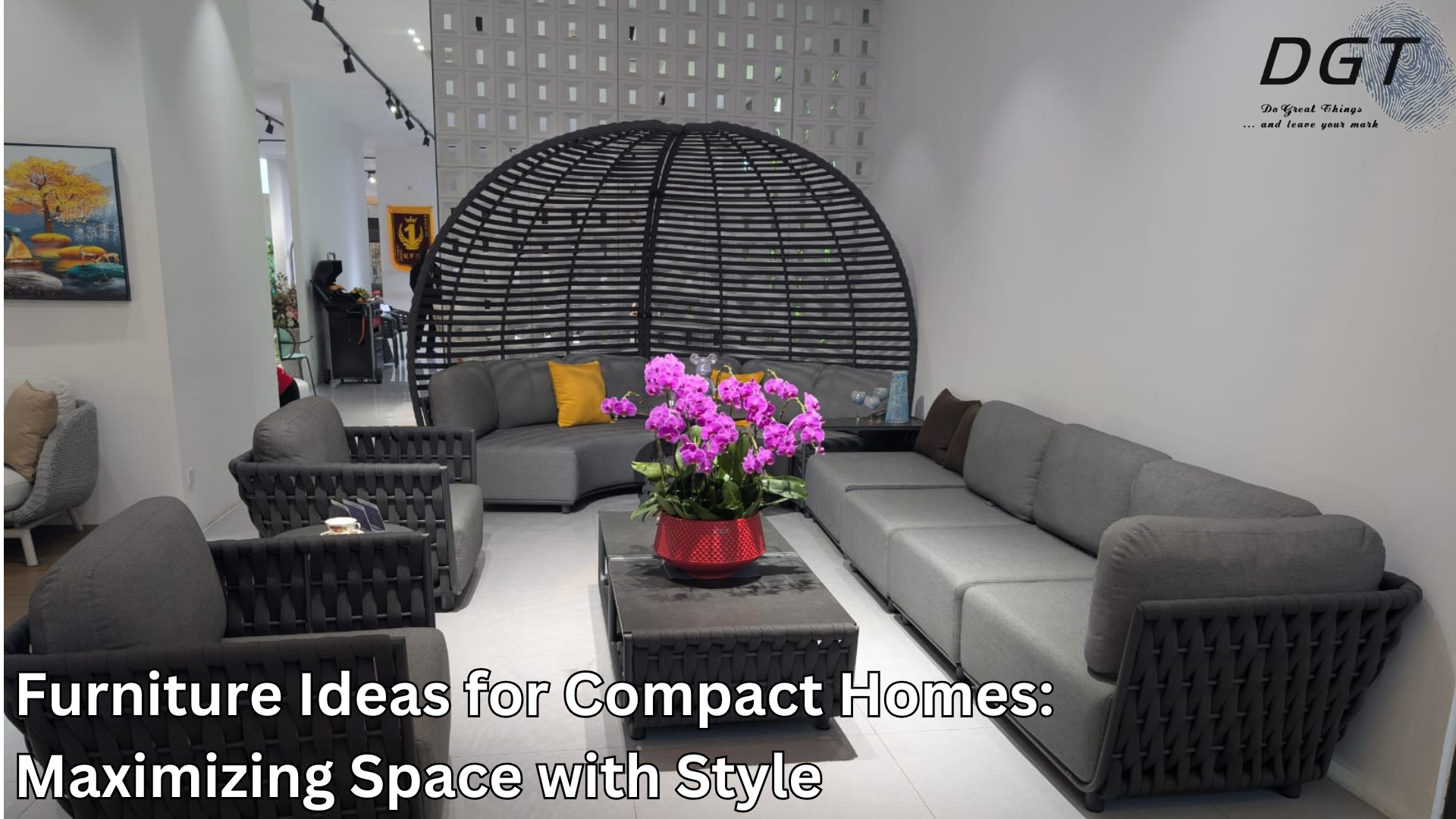
Furniture Ideas for Compact Homes: Maximizing Space with Style

Furniture Ideas for Compact Homes: Maximizing Space with Style

compact homes have become the norm due to rising real estate prices and the growing trend of minimalist living. While small spaces offer coziness and efficiency, they also present a unique challenge: how to furnish them without creating clutter? The good news is that with smart furniture choices, even the tiniest spaces can be both functional and stylish. This article explores furniture ideas designed specifically for compact homes, ensuring that every inch of space is utilized effectively.

  1. Multi-Functional Furniture: The Ultimate Space Saver

One of the best strategies for furnishing a compact home is to invest in multi-functional furniture. These versatile pieces serve multiple purposes, saving space while adding aesthetic value to your interiors.

  • Storage Ottomans: These provide additional seating, footrests, and hidden storage for books, blankets, or miscellaneous items.
  • Foldable Dining Tables: Perfect for small dining areas, these tables can be expanded when needed and folded away when not in use.
  • Wall Beds (Murphy Beds): These beds can be tucked away into a wall cabinet during the day, freeing up space for other activities.
  • Sofa Beds: A sofa that transforms into a bed is ideal for studio apartments or guest rooms.

2. Modular and Stackable Furniture: Customizable and Space-Efficient

Modular and stackable furniture offers flexibility and adaptability, making it an excellent choice for compact homes.

  • Stackable Chairs: These chairs can be stacked and stored when not in use, making them ideal for small dining areas.
  • Modular Sofas: These allow you to reconfigure seating arrangements based on your needs.
  • Nesting Tables: These can be spread out when in use and stacked neatly when you need extra floor space.

3. Wall-Mounted and Floating Furniture: Freeing Up Floor Space

Furniture that attaches to walls keeps floors clear, making a room appear larger and less cluttered.

  • Floating Desks and Shelves: These are great for home offices, providing workspace without taking up floor space.
  • Wall-Mounted TV Units: These eliminate the need for bulky entertainment centers.
  • Drop-Leaf Tables: These attach to the wall and can be folded down when needed.

4. Built-In and Custom Furniture: Maximizing Every Nook and Cranny

Built-in furniture is designed to fit seamlessly into available spaces, making efficient use of every corner.

  • Under-Stair Storage: If your home has stairs, the space beneath them can be turned into shelves, drawers, or even a small work area.
  • Built-In Wardrobes: These eliminate the need for freestanding wardrobes, providing ample storage without consuming extra space.
  • Custom Loft Beds: These create additional space underneath for a desk, seating area, or storage.

5. Convertible Furniture: Adapting to Different Needs

Convertible furniture is designed to transform, serving different functions as required.

  • Expandable Dining Tables: These can accommodate more guests when needed and be reduced in size otherwise.
  • Folding Chairs and Tables: Ideal for balconies and compact dining spaces.
  • Reclining Sofas: These provide comfortable seating during the day and can be reclined for relaxation in the evening.

6. Smart Storage Solutions: Keeping Clutter at Bay

Storage is a major concern in compact homes, but smart solutions can help keep things organized.

  • Bed with Storage Drawers: Utilize the space under the bed for storing clothes, shoes, or seasonal items.
  • Hanging Organizers: These can be used inside closets, bathrooms, and even kitchens to store essentials neatly.
  • Corner Shelves: These make use of often-wasted corner spaces.
  • Rolling Storage Carts: These provide mobile storage that can be moved around as needed.

7. Transparent and Reflective Furniture: Creating an Illusion of Space

Furniture that reflects light or is transparent can create an airy and spacious feel.

  • Glass Coffee Tables: These add functionality without visually weighing down a room.
  • Mirrored Wardrobes: These help reflect light, making a room appear larger.
  • Acrylic or Lucite Chairs: These are sturdy yet almost invisible, contributing to a spacious ambiance.

8. Space-Saving Bedroom Furniture: Making the Most of Limited Space

Bedrooms in compact homes often require thoughtful furniture choices.

  • Wall-Mounted Nightstands: These provide storage without taking up floor space.
  • Foldable Wall Beds: These can be tucked away when not in use.
  • Storage Headboards: These include compartments for books, lamps, and essentials.
  • Compact Dressing Tables: These can be wall-mounted or have foldable sections to save space.

9. Compact Kitchen and Dining Furniture: Functional Yet Stylish

A well-organized kitchen and dining area enhance the efficiency of a compact home.

  • Pull-Out Pantry Shelves: These maximize kitchen storage space.
  • Fold-Down Countertops: These provide extra prep space and can be folded away when not needed.
  • Bench Seating with Storage: This offers seating while doubling as hidden storage.
  • Compact Bar Carts: These provide a movable space for drinks and snacks without occupying much space.

10. Outdoor and Balcony Furniture: Bringing Functionality to Small Outdoor Areas

Even small balconies or patios can be turned into cozy retreats with the right furniture.

  • Foldable Balcony Tables: These attach to railings and can be folded when not in use.
  • Vertical Garden Shelves: These allow you to grow plants without occupying floor space.
  • Compact Lounge Chairs: These are ideal for relaxing in limited outdoor spaces.
  • Stackable Outdoor Stools: These provide seating when needed and can be stored easily.

Furnishing a compact home requires creativity and thoughtful planning. By investing in multi-functional, modular, and space-saving furniture, you can create a comfortable, clutter-free living environment that reflects your personal style. Whether you prefer modern minimalism, cozy chic, or sleek industrial designs, there are plenty of furniture solutions to make your small space feel both functional and inviting. The key is to focus on versatility, efficiency, and smart storage solutions to make every square foot count.